
Education
Home
Education
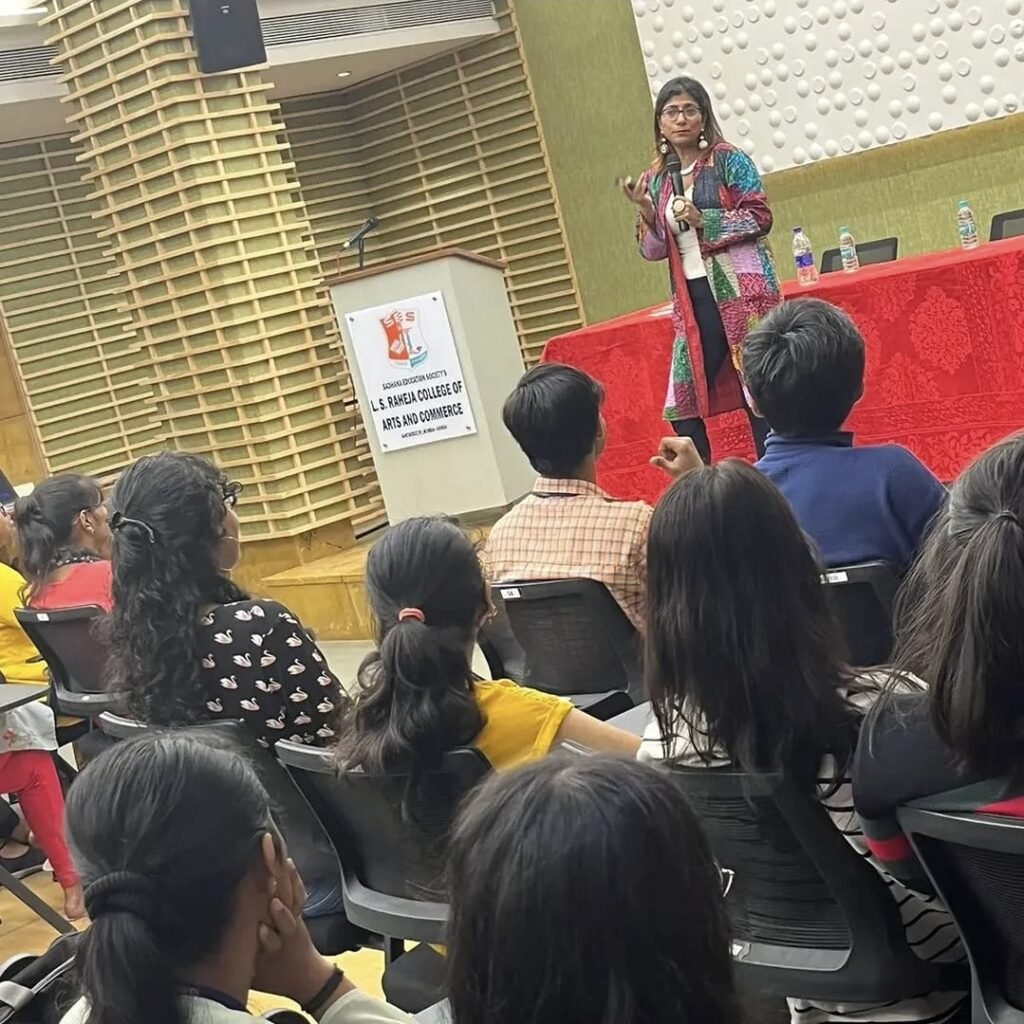
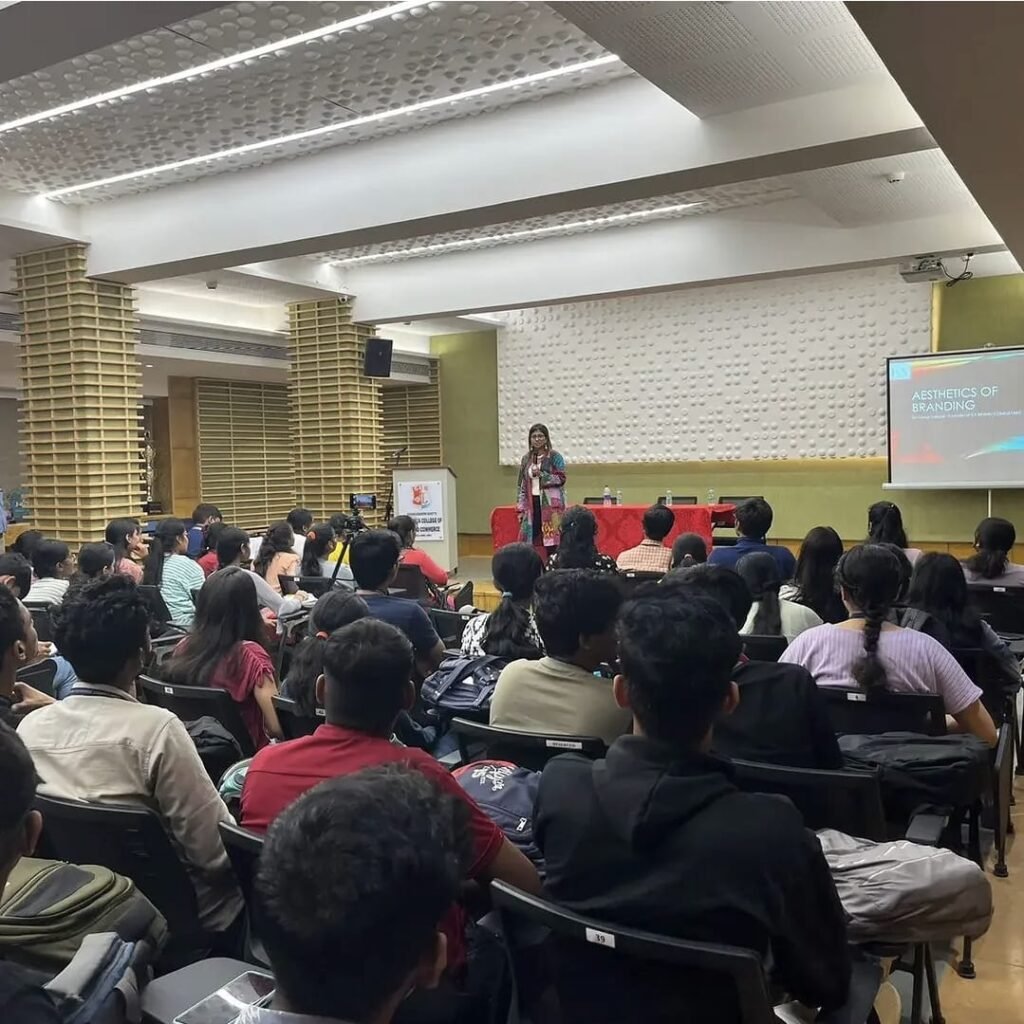
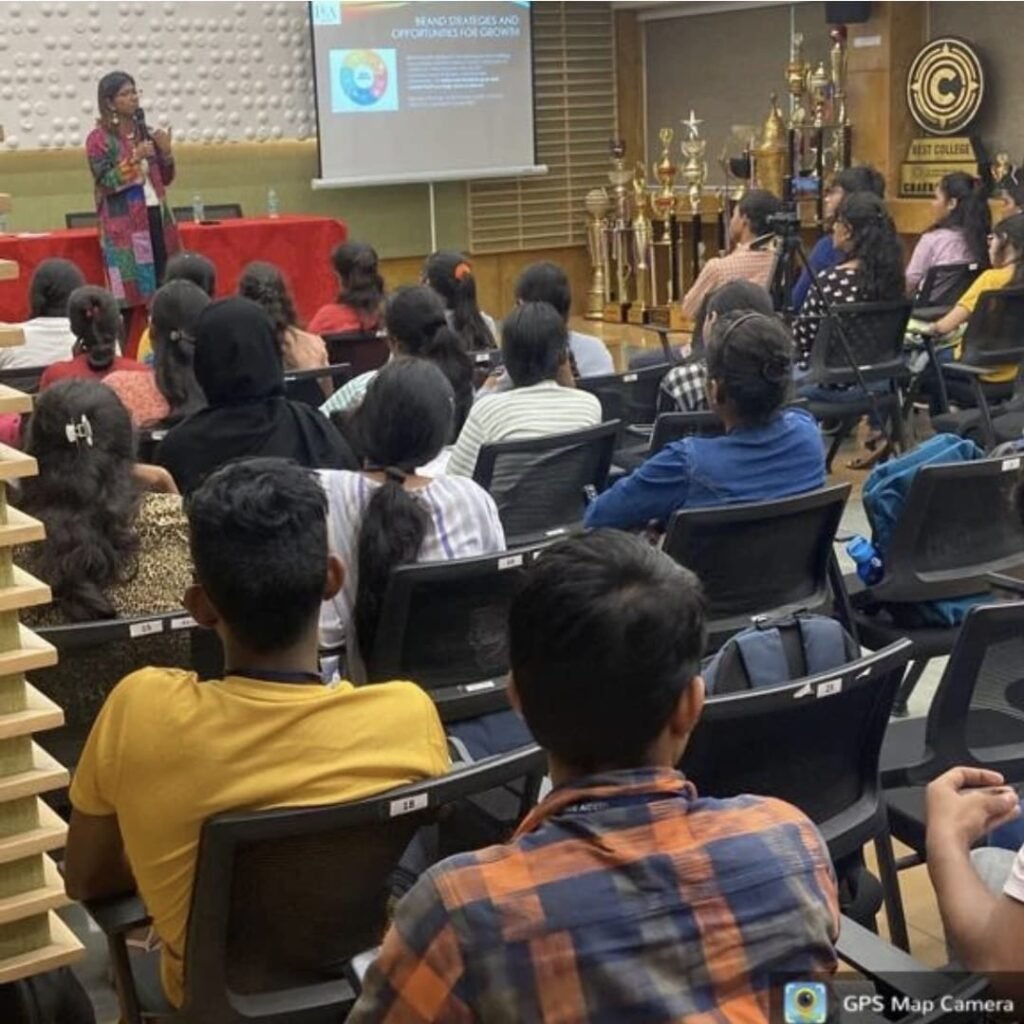
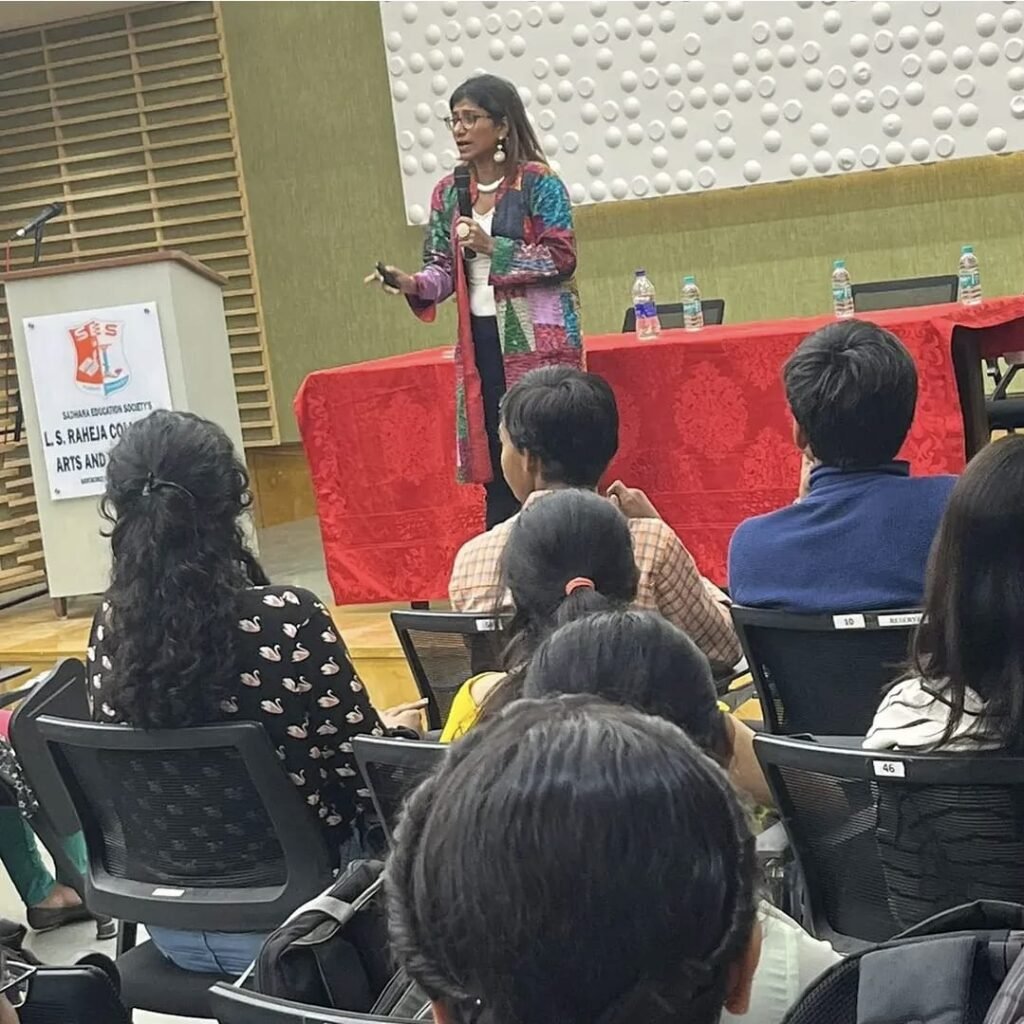
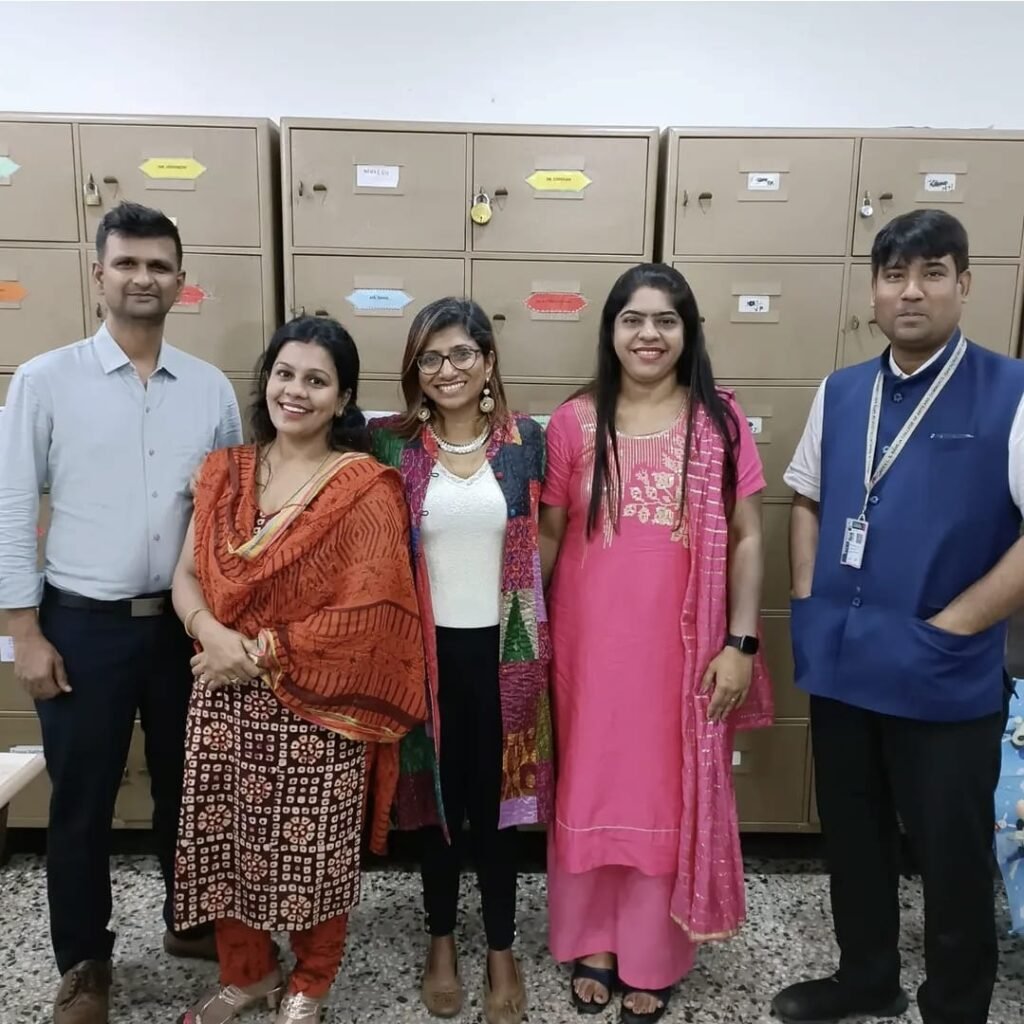
Empowering Young Minds: Gargi Sarkar recently served as the Chief Guest and Guest Speaker at Colleges. She delivered an inspiring talk on leadership, personal branding, and industry insights, empowering students to navigate their educational and professional journeys with confidence.
Guest Speaker for Colleges: Bringing Industry Insights to Students
College is a time when students begin making important decisions about their careers, interests, and professional identities. Academic knowledge gives them a foundation, but understanding how ideas work in real professional environments can make their learning more meaningful. This is where a guest speaker for colleges can contribute by sharing practical perspectives, professional experiences, and lessons from the workplace.
RA Brand Consulting’s education-related engagements focus on connecting students with ideas around branding, communication, leadership, and professional development. These conversations can help students look beyond their syllabus and explore the skills that may support them in their future careers.
How Guest Sessions Add Value to College Education
Classroom teaching and practical exposure serve different purposes, and both can contribute to a student’s development. A well-planned guest session introduces another perspective, helping students connect theoretical concepts with real situations.
Inviting a guest speaker for colleges can create opportunities for students to understand industry expectations, discuss professional challenges, and learn how people approach decisions in their respective fields.
For example, a session about branding can explain why businesses need a clear identity and consistent communication. A discussion about professional growth can help students understand the importance of adaptability, collaboration, and presenting their ideas effectively.
The value of a session depends on its relevance to the audience. When the subject matches students’ interests and academic backgrounds, the discussion becomes easier to relate to and apply.
Personal Branding for Students: Presenting Your Strengths Clearly
Students often have more to offer than they realise. Academic projects, volunteering, extracurricular activities, internships, and personal interests can all demonstrate useful abilities. The challenge is learning how to communicate these experiences in a clear and credible way.
Personal branding for students is about understanding what makes an individual distinctive and presenting that identity consistently. It does not require an impressive title or a large social media following. It begins with self-awareness, honesty, and a clear understanding of one’s strengths.
Students can develop their professional identity by:
- Identifying the skills and interests they want to develop.
- Creating a clear and accurate resume or portfolio.
- Maintaining a professional online presence.
- Explaining their projects and achievements with confidence.
- Building genuine professional relationships.
Learning about personal branding for students can be especially useful when preparing for interviews, applying for internships, or entering a competitive job market. It helps students communicate what they know, what they have learned, and what they hope to contribute.
The aim of personal branding for students is not to create a perfect image. It is to build a professional identity that reflects real abilities, interests, and goals.
Leadership Talks for Students: Developing Skills Through Experience
Leadership is often associated with senior positions, but many leadership skills begin developing much earlier. Students practise leadership when they coordinate a group assignment, take responsibility for a college activity, resolve disagreements, or help a team work towards a shared goal.
Leadership talks for students can explore these everyday situations and explain the qualities that make leadership effective. These may include accountability, active listening, sound judgement, teamwork, and the ability to learn from mistakes.
Rather than focusing only on success stories, useful sessions can discuss the decisions, setbacks, and adjustments that shape professional growth. Such examples encourage students to think about how they respond to pressure and work with people who hold different opinions.
Well-designed leadership talks for students can also encourage participation through questions and practical scenarios. Students get an opportunity to reflect on their own experiences instead of treating leadership as an abstract concept.
For colleges, these discussions can complement academic learning by introducing perspectives that students can apply in group projects, campus activities, and future workplaces.
Raheja College

Industry Guest Lectures and Their Role in Career Awareness
Students may know the name of a profession without fully understanding the work involved. Industry guest lectures can help address this gap by introducing professional responsibilities, workplace challenges, and the skills associated with different career paths.
Depending on the subject, a session might explore marketing strategy, brand communication, entrepreneurship, business development, or the role of digital platforms in reaching audiences. Relevant examples help students understand how professional decisions are made and why different business functions need to work together.
For instance, students interested in marketing can explore how audience research informs communication. Those interested in branding can examine how a business builds recognition through its identity, messaging, and customer experience.
Meaningful industry guest lectures can also give students an opportunity to ask questions about career preparation, practical skills, and changing industry expectations. They should complement academic teaching rather than replace it.
The strongest sessions are designed around a clear learning objective, an appropriate audience, and examples that make complex ideas easier to understand.
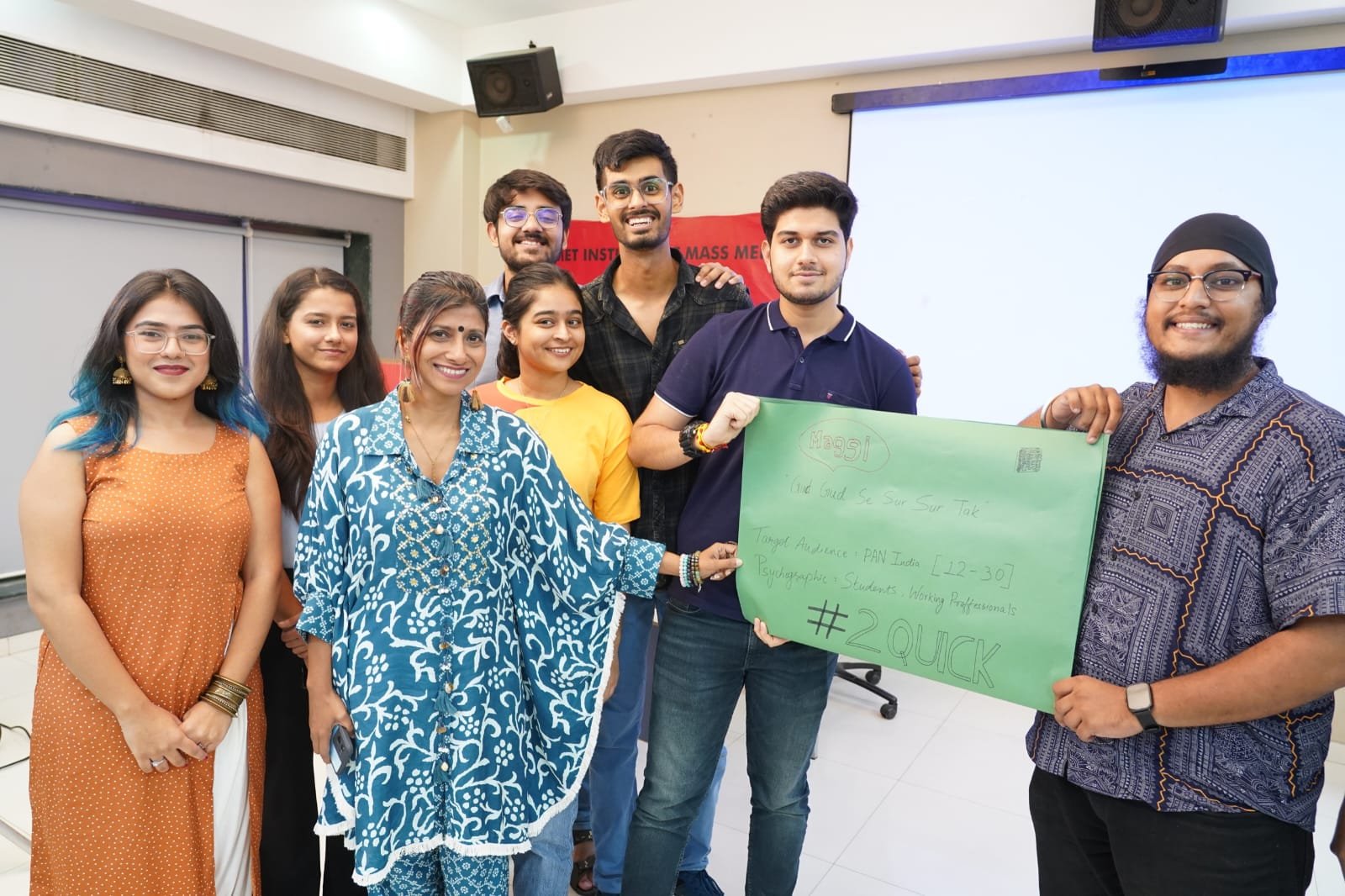
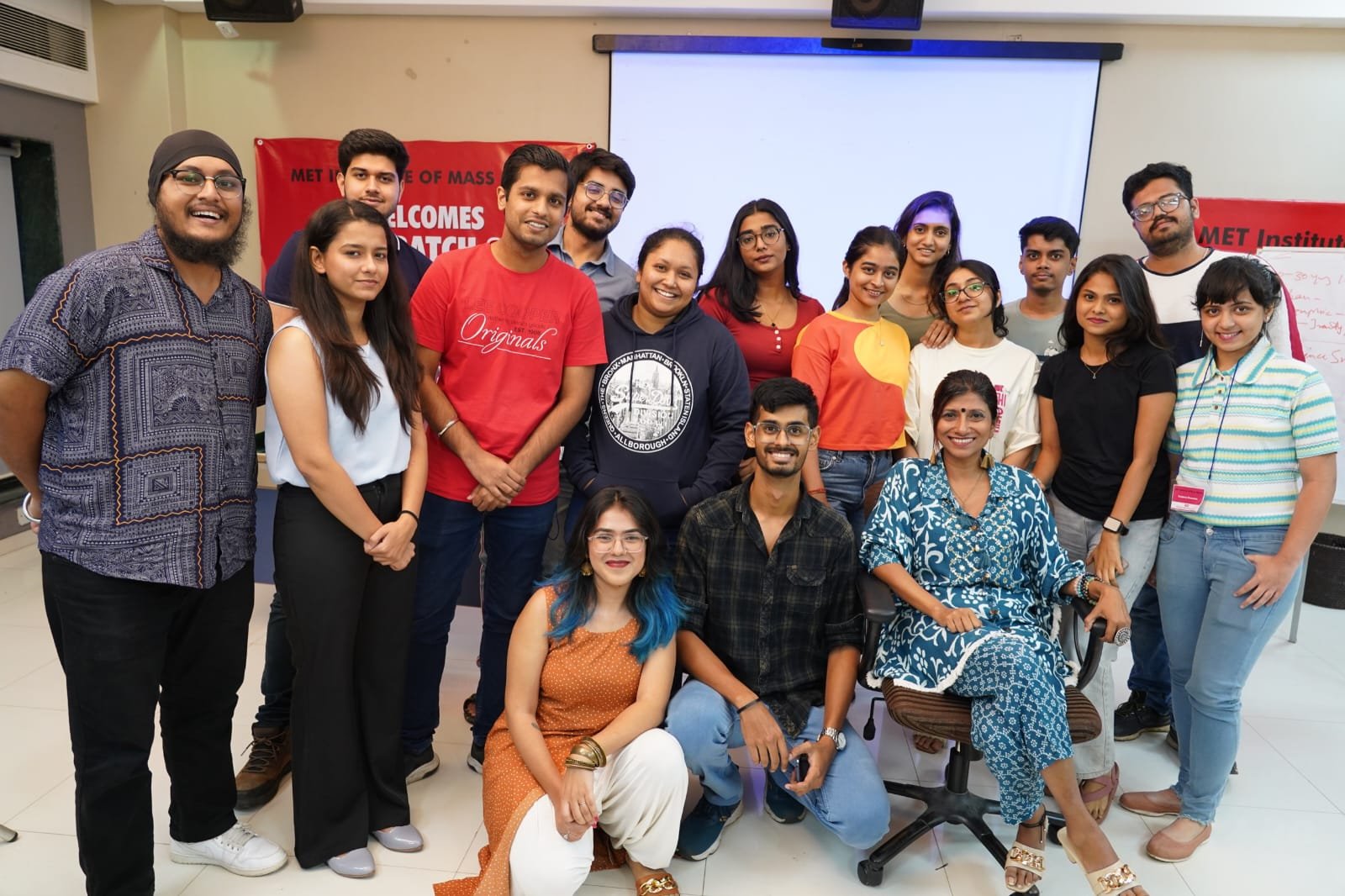
MET Institute Of Management
RA Brand Consulting's Connection with Educational Institutions
RA Brand Consulting’s Education page showcases educational engagements involving Gargi Sarkar in guest speaker or chief guest roles. It also features institutional associations with Raheja College, MET Institute of Management, and NIF Global.
These engagements provide context for the role that professional participation can play in educational settings. Interactions between professionals and students can create space for conversations about business, communication, branding, and the skills needed to navigate professional life.
For an institution considering a guest speaker for colleges programme, the first step is to identify what students should take away from the session. A topic focused on professional identity may suit students preparing for internships, while a discussion about branding or business communication may be more relevant to students exploring marketing and management.
A guest speaker for colleges session should be planned around the institution’s audience and objectives. Sharing the expected topic, student profile, session duration, and preferred format in advance helps establish clear expectations.
Institutions can explore the RA Brand Consulting Education page to review the available information about its educational engagements.
Planning a Meaningful College Guest Session
Organising a useful session involves more than choosing a speaker and setting a date. Colleges should consider the purpose of the event and how students will benefit from attending.
A few practical steps can help:
- Set a clear objective: Decide what students should understand or learn by the end of the session.
- Choose a relevant subject: Connect the topic with students’ courses, interests, or career stage.
- Share the audience profile: Explain the students’ academic backgrounds and existing knowledge.
- Allow time for interaction: Include a question-and-answer segment where possible.
- Collect feedback: Ask students which ideas were useful and what they would like to explore further.
A guest speaker for colleges programme is more effective when its purpose is clear and the discussion relates directly to the audience’s needs.
NIF GLOBAL
Conclusion
Professional exposure can help students understand how classroom learning connects with the wider world. Conversations about personal identity, leadership, communication, and business practices give them additional perspectives as they prepare for their next steps.
Through educational engagements and professional discussions, RA Brand Consulting highlights the value of connecting students with industry-related ideas. Colleges looking to explore a potential session can visit the Education page or contact RA Brand Consulting to discuss their requirements. The Brand Management page also provides further context on the company’s branding-related work.
Frequently Asked Questions
What is the purpose of inviting a guest speaker to a college?
A guest speaker can introduce professional perspectives, explain practical concepts, and encourage students to explore career options beyond their academic curriculum.
Which topics are suitable for college guest sessions?
Possible topics include branding, communication, leadership, entrepreneurship, marketing, professional development, and career awareness. The most suitable subject depends on the audience and the institution’s objectives.
Why is personal branding useful for students?
Personal branding for students helps them communicate their strengths, interests, experiences, and professional goals clearly through resumes, portfolios, interviews, and professional profiles.
How can leadership sessions benefit college students?
Leadership sessions can encourage students to think about accountability, teamwork, communication, decision-making, and how to respond constructively to challenges.
What should colleges consider before arranging an industry session?
Colleges should define the learning objective, identify the target audience, select a relevant topic, confirm the session format, and leave time for student questions and feedback.
How can colleges contact RA Brand Consulting?
Colleges can visit the Education page and use the Contact Us page to discuss a potential educational engagement.